
Understanding Duckworth–Lewis–Stern Method: Decoding Cricket's Rain Rule
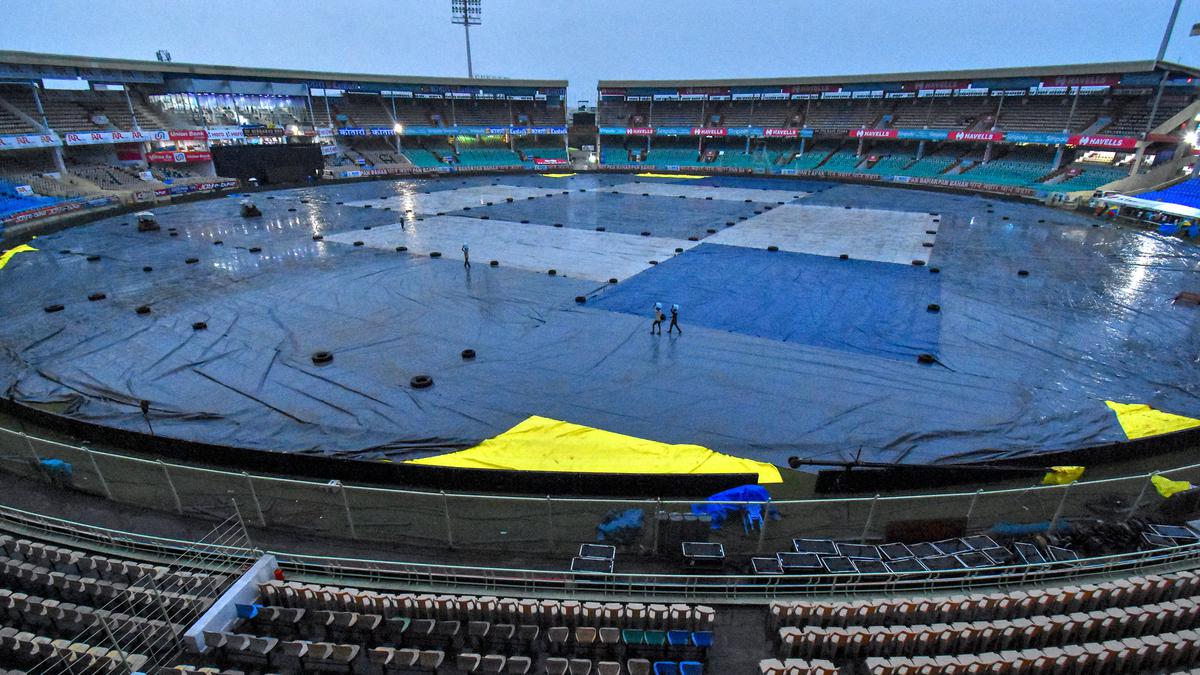

Cricket, known for its unpredictable nature, is a sport greatly influenced by external factors such as weather conditions. One of the key challenges that cricket teams and organizers face is dealing with rain interruptions during matches. In order to ensure fairness and maintain the integrity of the game, the Duckworth–Lewis–Stern (DLS) method was introduced. This complex mathematical formula has revolutionized the way rain-affected matches are decided, ensuring that both teams have an equal chance of victory.
Origins of the DLS Method
The Duckworth–Lewis's method was first devised by statisticians Frank Duckworth and Tony Lewis in the 1990s as a replacement for the previous rain rule, the Average Run Rate (ARR) method. The primary objective was to create a more accurate and fair system for determining target scores in rain-affected limited-overs cricket matches. In 2014, the method was further enhanced and renamed as the Duckworth–Lewis–Stern method, incorporating the contribution of Professor Steven Stern.
How Does It Work ?
The DLS method takes into account various factors such as the number of overs bowled, the number of wickets lost, and the scoring patterns of the teams before the rain interruption. It aims to calculate a revised target for the team batting second, ensuring that they have a fair opportunity to chase down a revised total within the reduced overs.

The DLS method introduces the concept of "resources" to determine the team's ability to score runs. The resources are represented by the number of overs remaining and the number of wickets in hand. The formula takes into consideration the average scoring rates of teams in the past to determine the par score for the team batting second. The par score represents the hypothetical score that the team batting first would have been expected to reach if the match had not been interrupted by rain.
Key Components of the DLS Method
- Resource Percentage: The DLS method calculates the number of overs available for the team batting second in comparison to the original number of overs in the match. This resource percentage determines the proportion of the par score the team needs to achieve at any given stage of the innings.
- Duckworth–Lewis–Stern Target Score: The revised target score is determined by multiplying the par score by the resource percentage. This target score is the number of runs the team batting second needs to achieve within their allocated overs to win the match.
- Minimum Overs: The DLS method also considers the minimum number of overs required for a match to be valid. If the revised target cannot be achieved within the minimum overs, the match is declared a "no result."
- Revisions during the Innings: If there are further rain interruptions during the innings of the team batting second, the target score may be revised again using the same principles of the DLS method
Criticism and Controversies
Despite its attempt to provide fairness, the DLS method has faced criticism and controversies over the years. Some argue that the formula can sometimes lead to unrealistic target scores or disadvantage the team batting second. Critics also claim that the method does not take into account the specific strengths and weaknesses of the teams involved, resulting in skewed outcomes.
To address these concerns, the International Cricket Council (ICC) has made continuous efforts to refine the DLS method and minimize its limitations. The introduction of the DLS method has undoubtedly improved the accuracy and fairness in rain-affected matches, although there is still an ongoing debate on its effectiveness.
Alternatives to DLS Method
In recent years, there have been calls for alternative methods or improvements to the DLS system. The ICC has been actively exploring options to enhance the rain rule, including the use of advanced technology and data analytics to provide more accurate and customized target calculations based on specific match scenarios.
One such development is the introduction of the "VJD method," named after its creator, V. Jayadevan, which provides an alternative approach to determining target scores in rain-affected matches. The VJD method takes into account the target score at the time of the rain interruption, the current run rate, and the number of wickets lost to calculate revised targets. While the VJD method has gained some recognition and acceptance in domestic cricket in India, it is yet to achieve widespread adoption at the international level.
Overall, the Duckworth–Lewis–Stern method has become an integral part of modern limited-overs cricket, ensuring that rain-affected matches are decided in a fair and equitable manner. While it may not be a perfect system, it has significantly improved upon the previous methods and continues to evolve with the aim of achieving more accurate outcomes. It is worth noting that the DLS method is not exclusive to international cricket but is also used in domestic and franchise-based cricket leagues around the world. Its widespread adoption is a testament to its effectiveness in dealing with rain interruptions and maintaining the integrity of the game.
The DLS method has also significantly impacted the strategies and tactics teams employ in rain-affected matches. Captains and coaches must carefully assess the target scores and the number of overs available to plan their innings accordingly. This has added a new dimension to the game, where teams need to balance aggressive strokeplay and maintaining wickets in hand to maximize their chances of reaching or surpassing the target.
The Duckworth–Lewis–Stern method has been a significant advancement in the way rain-affected matches are decided in cricket. It has brought more fairness and objectivity to these matches, ensuring that both teams have a reasonable chance of victory regardless of rain interruptions. While criticisms and controversies persist, the DLS method remains the primary rain rule in use today. As cricket continues to evolve, it is likely that further refinements or alternative methods will be explored to address the limitations and improve the accuracy of determining target scores in rain-affected matches.
Opinions here are the writer’s views and do not necessarily reflect those of SportsGuff.
 Nepal and India Boxers to Clash in Kathmandu as Women Join the Ring for the First Time
 Tournament Management Software 2026: Run Every Sports Event with Ease
 Abhishek Sharma's 108 Off 34 Balls Powers India to 127-Run Win, Seals 3-0 Sweep Over Afghanistan
 Abhishek Sharma’s 30-Ball Thunderbolt: India Opener Rewrites T20I Record Against Afghanistan
 Unheralded, Unstoppable: How Rasikh Salam Turned the 2026 IPL Final Into His Stage
 Betis Edge Getafe 1-0 as Ezzalzouli Strikes Late in First Half
 Villarreal Fights Back From a Goal Down to Beat Malaga 3-1
Comments
0Log in to join the conversation.
Writer loginNo comments yet. Be the first to respond.